
Professional Civil Engineer Review of Recorded Easements
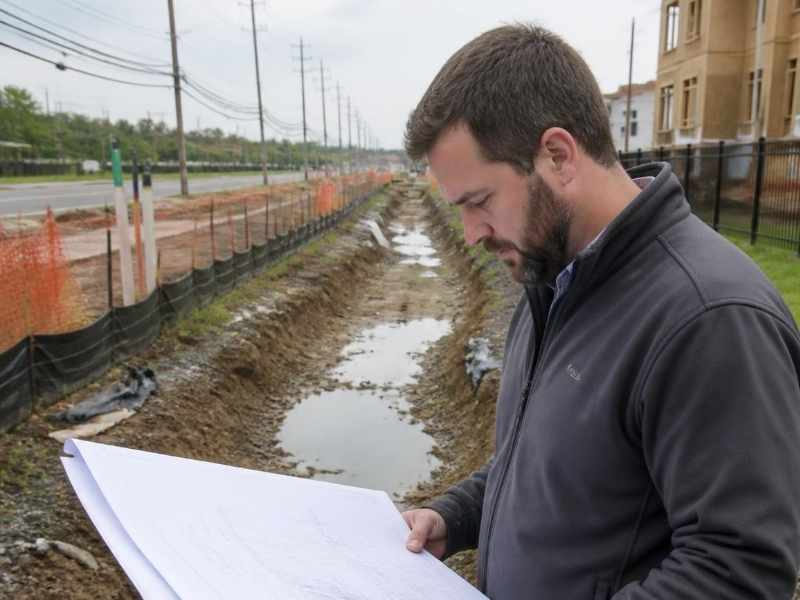
An easement is a right for someone to use part of your land. It might let a utility run a line, a neighbor cross a driveway, or the city reach a drain. These rights are recorded in public documents, and they can limit what you build. A professional civil engineer reviews recorded easements to catch problems before they cost you time or money. This guide shows what that review covers and why it belongs early in any project.
Identifying Easement Limits and Recorded Rights
The first step is finding out what rights exist. A professional civil engineer starts by pulling the recorded documents tied to the property. These include deeds, plats, and easement exhibits filed with the county.
Each document tells part of the story. It may show where an easement sits, how wide it is, and what it is for. Some easements are for utilities, some for access, and some for drainage.
The engineer also reads the fine print. An easement can carry limits, such as who may use it or what can be built over it. Getting these details right early keeps a project from running into a right it did not know about.
Older easements can be the hardest to track. Some were filed decades ago with vague wording or rough hand-drawn sketches. The engineer digs through these records so nothing important slips past.
Comparing Easements With Existing Site Conditions
Recorded rights do not always match what is on the ground. The next step compares the paperwork to the real site. A professional civil engineer checks whether each easement lines up with the roads, pipes, and structures that are actually there.
This step often turns up surprises. A utility line may sit outside its recorded easement, or a fence may cross into one. These gaps between record and reality can cause problems during design and construction.
A current survey makes this comparison possible. The engineer overlays the recorded easements onto survey data to see how they fit. Any mismatch gets flagged so it can be sorted out before work begins.
Professional Civil Engineer Review for Design Conflicts
Design conflicts are where easements cause the most trouble. A professional civil engineer looks for spots where planned work would clash with an existing right. A new building over a utility easement is a common example.
The review covers each type of easement. Access easements must stay open for the people who use them. Utility and drainage easements must stay clear so crews can reach and maintain what runs through them.
Catching these conflicts early saves real money. Moving a building or redesigning a layout on paper is cheap. Fixing the same problem after construction starts is not, and it can stall the whole project.
A quick example shows the value. Say a plan puts a parking lot over a sewer easement. The engineer flags it, and the team shifts the lot a few feet to keep the line clear and easy to reach.
Evaluating Restrictions That Affect Site Development
Easements shape more of a design than most owners expect. The words in a recorded easement can steer where a building goes and how the site drains. A professional civil engineer reads that language and turns it into clear design limits.
Several parts of a plan can be affected. Building placement, grading, and utility routing all have to respect easement lines. Stormwater ponds and access drives often need to shift to stay clear of protected areas.
These limits can vary by easement type, county, and project scope. That is why the review happens before the design locks in. Confirming the restrictions early gives the team room to plan around them instead of reworking later.
Not every easement lasts forever. Some are permanent, while others end once a project or a set use is done. Knowing which is which helps the engineer plan the site the right way.
Coordinating Findings With Surveyors, Owners, and Project Teams
A review only helps if the findings reach the right people. Once the easements are clear, the professional civil engineer shares what they found. That report goes to the owner and the rest of the project team.
Different people use the findings in different ways. Land surveyors confirm locations and update drawings. Attorneys weigh in on legal questions, and architects and developers adjust their plans to fit.
Good coordination keeps everyone working from the same facts. When the team agrees on the easements up front, design and construction move with fewer surprises. Sharing the review early is the simplest way to avoid a costly fix later.
Frequently Asked Questions
What is a recorded easement?
A recorded easement is a right to use part of a property, filed in public records. It might let a utility, a neighbor, or a public agency cross or use the land. Because it is recorded, it stays with the property even when the owner changes. A professional civil engineer reviews these rights to see how they affect your plans.
Why should a professional civil engineer review easements?
An engineer can spot where an easement will clash with your planned work. They read the recorded language and compare it to the real site and your design. This catches conflicts with buildings, grading, drainage, and access before construction. Finding these issues early is far cheaper than fixing them later.
How is an easement review different from a survey?
A survey shows where boundaries and features sit on the land. An easement review studies the rights tied to those features and what they allow. The two work together, since the engineer uses survey data to compare records with the site. A full picture usually needs both a current survey and an engineer’s review.
Can an easement stop me from building?
An easement can limit where and how you build, but it rarely stops all work. You often cannot place a structure over a utility or drainage easement. A professional civil engineer helps you find a layout that respects the easement and still meets your goals. Rules can vary by easement type and county, so confirm the details early.
When should the easement review happen?
The best time is early, before design and construction plans are set. An early review gives the team room to plan around any restrictions. It also helps during a purchase, so a buyer knows the limits before closing. Confirm your review needs up front when timing, permitting, or closing depends on it.
